

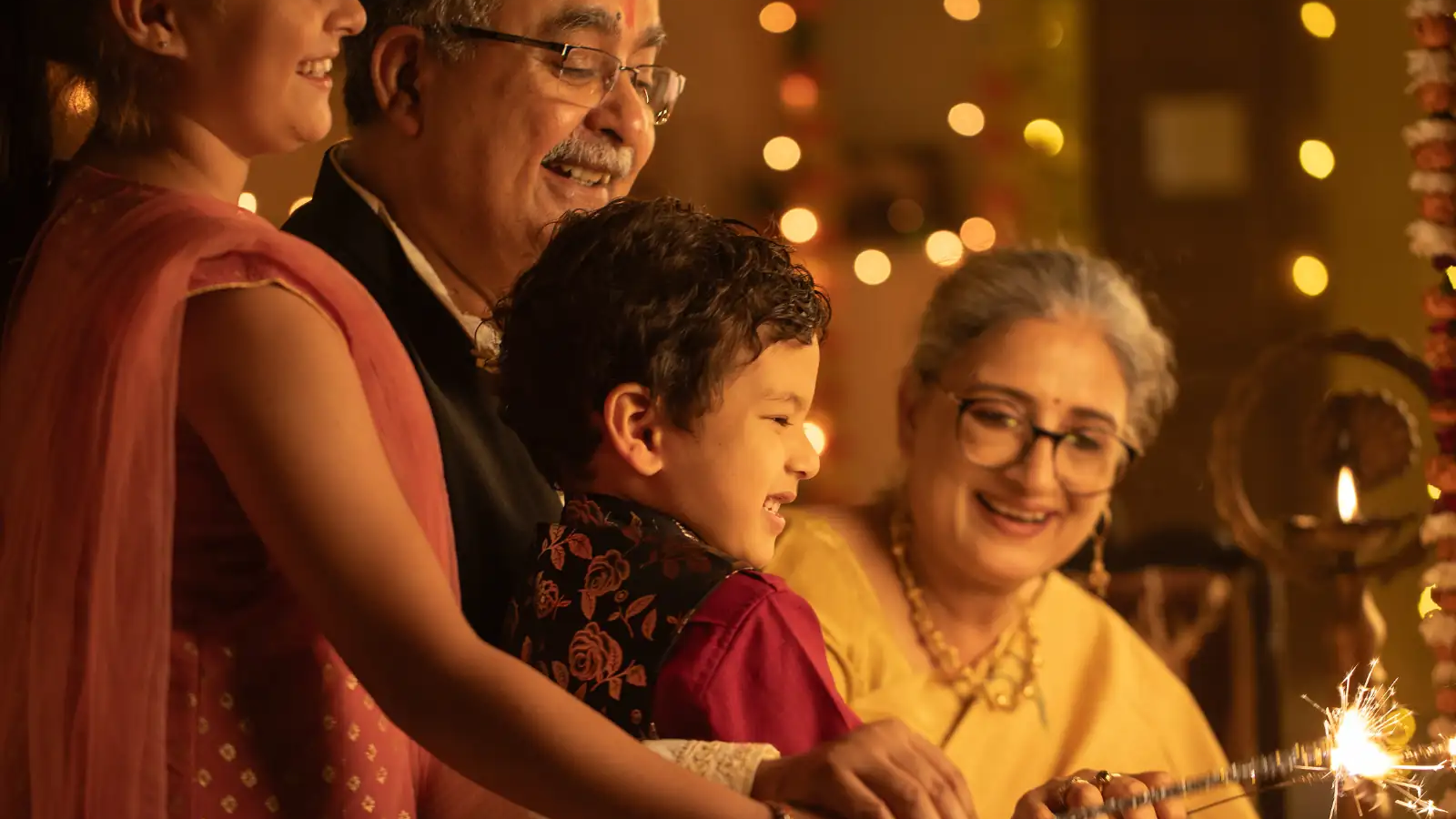
Every Indian household has a familiar scene: a grandmother chasing a child with a bowl of ghee, declaring, “Beta, this will make you strong like Hanuman!” Or a grandfather whispering, “Don’t cry so much, boys don’t cry.” Parents stand by, half-smiling, half-cringing, wondering whether to intervene.
Grandparents mean well. They love fiercely, often more indulgently than parents. But love, when mixed with advice from a different era, can sometimes feel like “spoiling.” It’s not uncommon for young parents today to mutter, “We spend hours unlearning what Dadi teaches in five minutes.”
Why Grandparents Think This Way
To understand, you have to step into their shoes. They grew up in times when survival was tough, when food was scarce, when discipline meant obedience. Feeding children till their stomachs burst was seen as prosperity. Telling a child to “adjust” was preparing them for a hard world.
Now, when they see us measuring sugar intake or insisting on gentle parenting, it feels unnecessary. In their minds, what worked in 1970 should still work in 2025. And to be fair, many of their children (today’s parents) did grow up healthy and hardworking, despite those methods.
“What we call outdated, they call tried and tested.”
Where the Clash Happens
The clash usually appears in three areas:
- Food: Grandparents push ghee, sweets, or heavy meals, while parents worry about obesity and balanced nutrition.
- Discipline: Grandparents often say, “Don’t scold, give him what he wants” out of affection, or the opposite, “Slap him once, he’ll listen.” Parents, meanwhile, walk a tightrope between boundaries and gentle discipline.
- Beliefs: Things like “don’t cut nails at night” or “kajal makes eyes sharper” often conflict with science-driven parenting.
How Parents Can Respond
- Pick Your Battles
Not every outdated suggestion needs a war. If Dadi insists on oiling hair every week, is it really harmful? Let harmless traditions pass. Save your energy for non-negotiables, like sugary foods or unsafe practices. - Use the “Doctor Said” Card
Sometimes, logic doesn’t work as well as authority. If Nana insists the baby needs honey (dangerous for infants), say, “Doctor has told us not to till she turns one.” Medical authority often trumps debate. - Use the “Doctor Said” Card
Sometimes, logic doesn’t work as well as authority. If Nana insists the baby needs honey (dangerous for infants), say, “Doctor has told us not to till she turns one.” Medical authority often trumps debate. - Involve Them Positively
Grandparents want to feel included. Instead of shutting them out, give them roles where their love shines—storytelling, teaching prayers, sharing cultural songs. This honors their wisdom without letting them dictate everything. - Talk Privately, Not Publicly
Correcting grandparents in front of children can create friction. If Dada gives outdated advice, gently redirect in the moment and talk later in private. Respect saves relationships.
The Value They Bring
Before we complain too much, let’s also admit this: grandparents give what modern life often cannot—time, patience, and unconditional love. Their outdated advice may frustrate us, but their affection builds security for children. The goal is not to cancel their role but to balance it.
One young mother told me how her mother-in-law insisted on feeding her child hand-made laddoos every day. She resisted at first, worried about sugar. Eventually, she compromised: laddoos once a week, but only after lunch. The result? No harm to the child, less friction at home, and a happy grandmother.
“Children don’t just inherit genes from grandparents. They inherit memories.”
A Gentle Balance
As parents, we stand between science and tradition, between modern parenting books and the warm voices of our elders. The art lies in filtering—accepting the love, keeping the wisdom, gently rejecting the outdated.
So the next time Dadi says, “Put kajal, it will make her eyes big,” smile, thank her, and quietly skip it. Let her tell stories of kings and queens instead. Because in the long run, children won’t remember whether they had kajal in their eyes. They’ll remember that Dadi’s lap was warm, that Nana’s stories were funny, and that their home was filled with love—even if some advice was 50 years old.